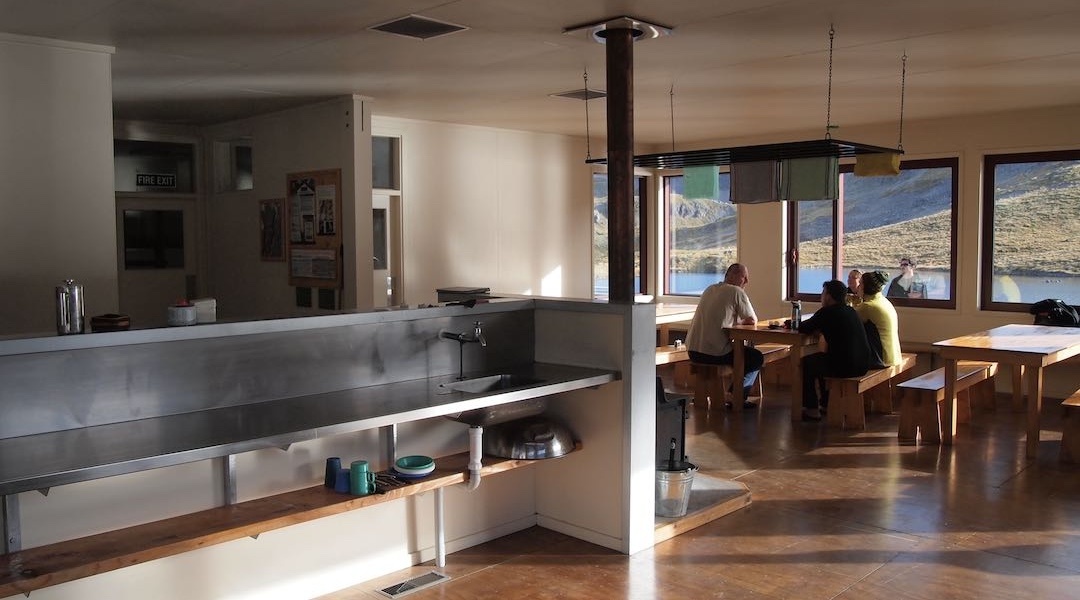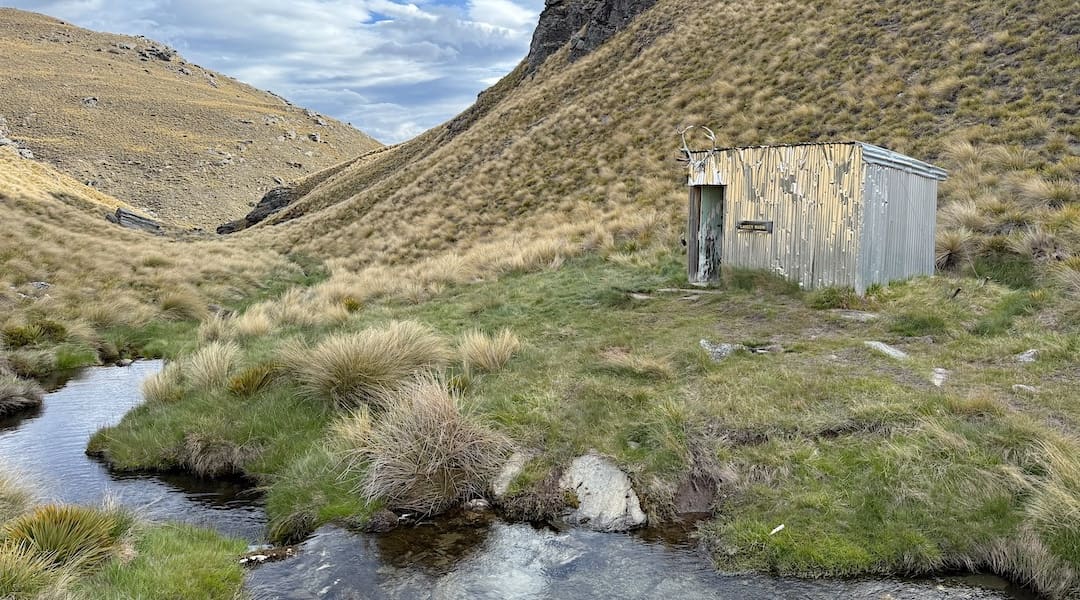
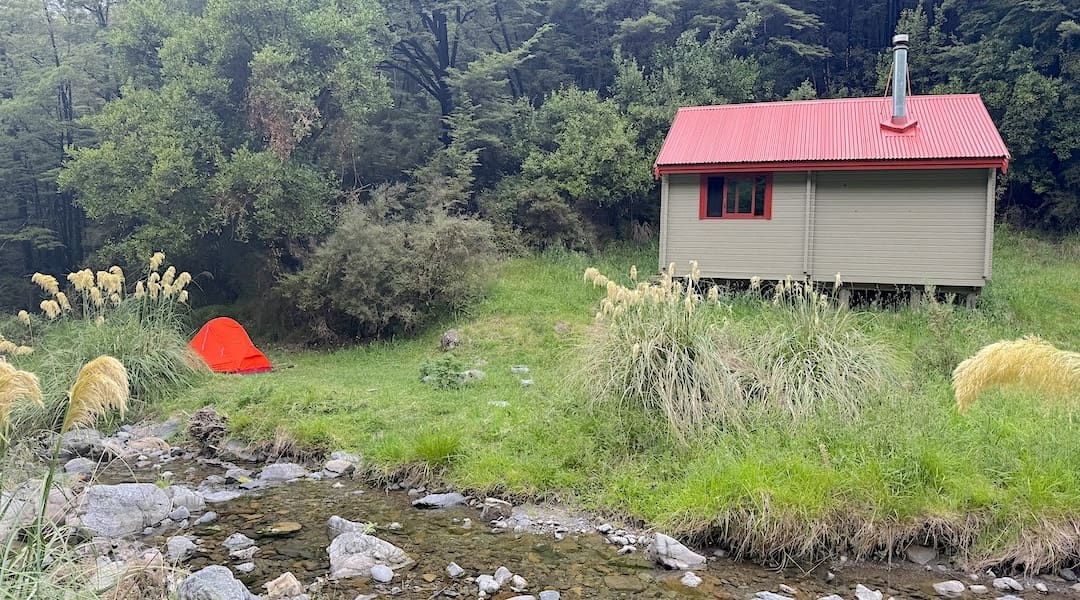
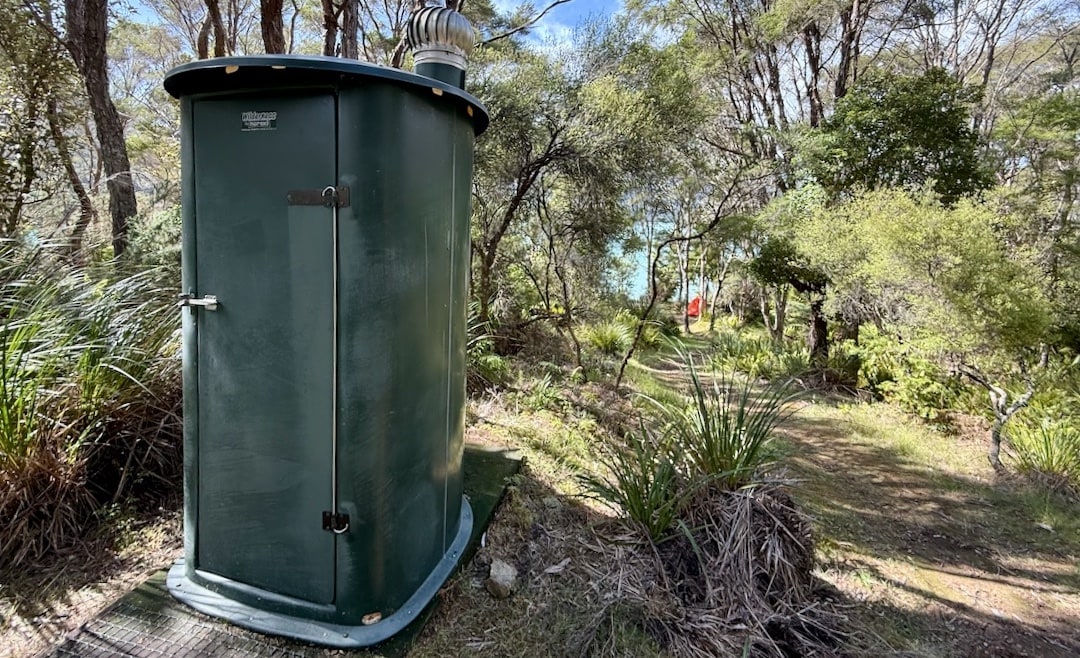

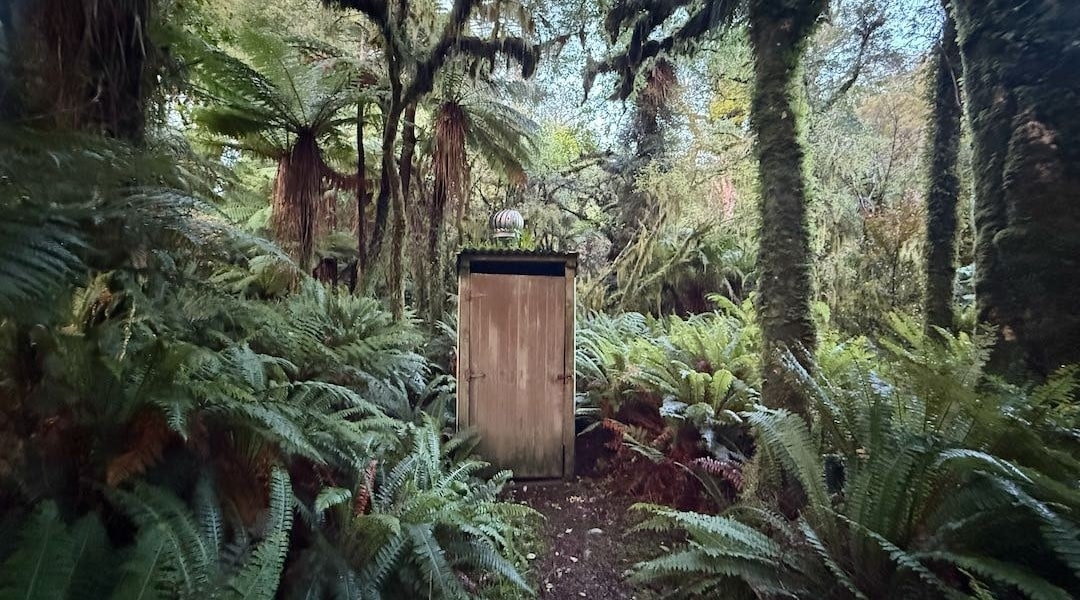
Backcountry hygiene myths spread easily on the internet. Much of this advice comes from overseas experiences in Europe or North America, where hikers disperse in individual tents across campsites or stay in towns. In New Zealand, trampers congregate in shared, often cramped huts.
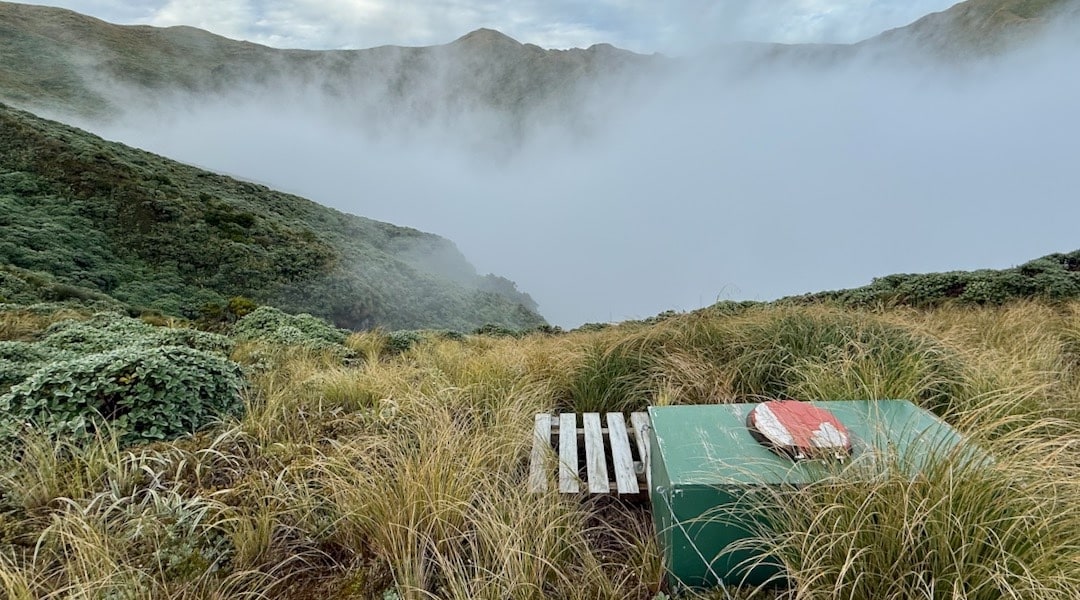
Because of this, the highest health risk doesn’t come from water. It comes from crowded hut conditions, a shared toilet, and a single communal water tap.
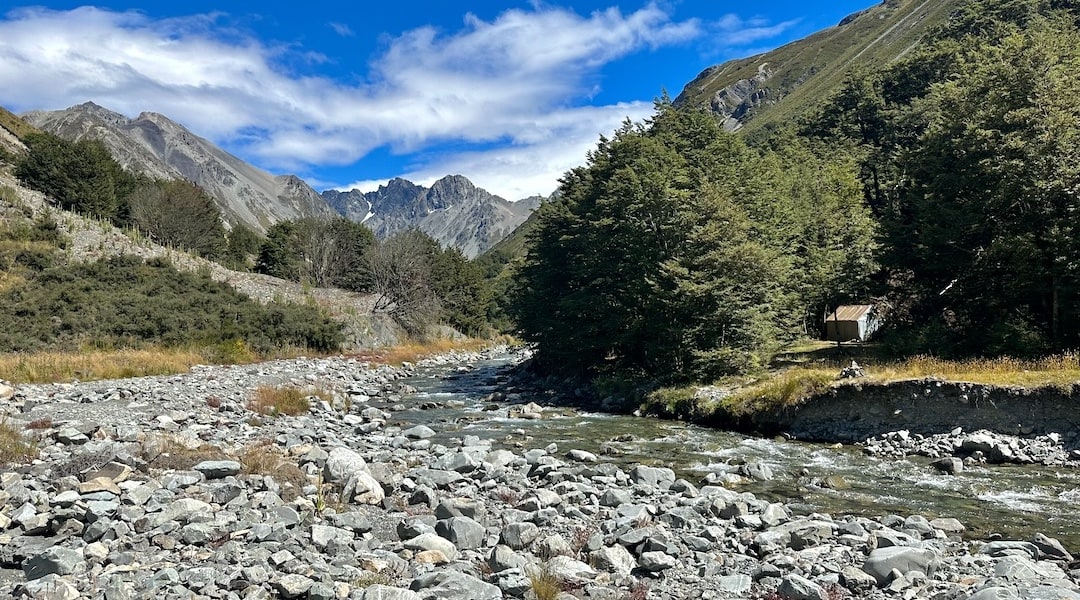
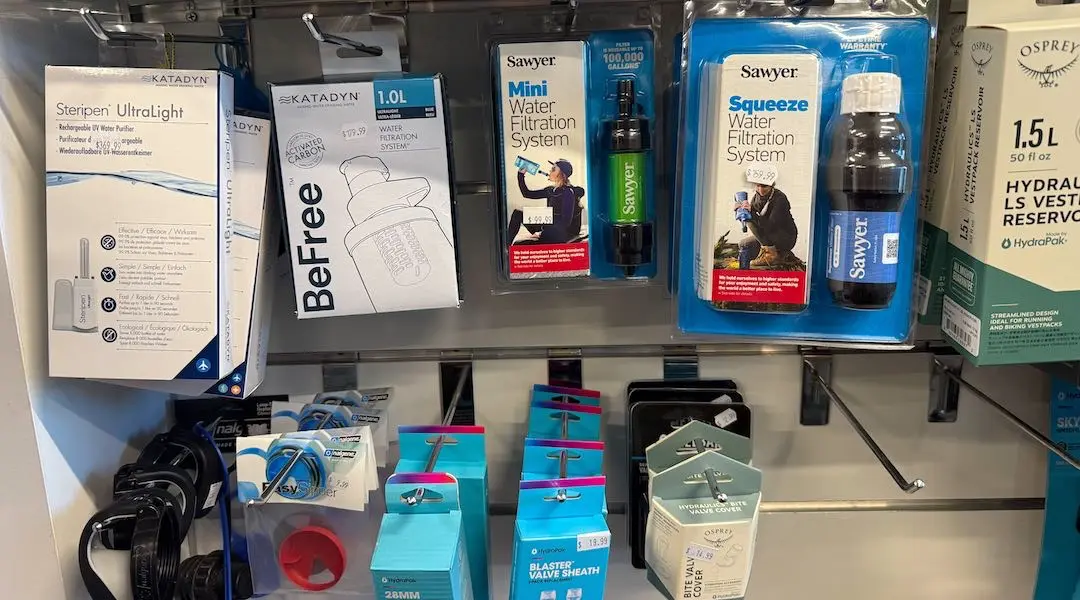
Water from fast-flowing mountain streams and rainwater tanks is generally very low risk in New Zealand. However, hikers often contaminate “clean” filtered water bottles simply by handling them with dirty hands or touching them against a shared contaminated tap.
Relying on alcohol-based hand sanitisers can give a false sense of security, as they fail to eliminate pathogens like Giardia, Cryptosporidium, or norovirus. Compounding the issue, Giardia has a 7–12 day incubation period and can shed pathogens for a month after symptoms disappear, leading to unnoticed spread of pathogens along the trail.
Preventing trail infection is straightforward: prioritise hut hygiene.
Get out your soap, wash your hands thoroughly for at least 20 seconds, and rinse in running water.